Are you moving to the Netherlands or thinking of opening a Dutch bank account, and not sure what to expect? Don’t stress, while banking in the Netherlands is certainly different, that doesn’t mean it’s difficult. 👍
Here, we’ll cover all you need to know about paying in the Netherlands, credit cards, transferring money, the best banks for expats, and more!
Know what you want? Jump to a section below
Whew, what a list! But we promise that by the end, you’ll be a Dutch bank account expert. 😉 Let’s get started.
This post might have affiliate links that help us write the articles you love, at no extra cost to you. Read our statement.
The single most important thing you need to know about banking in the Netherlands is this: you need a debit card.
Not a Visa Debit, not a Debit Mastercard, and definitely not a credit card: it has to be just a debit card.
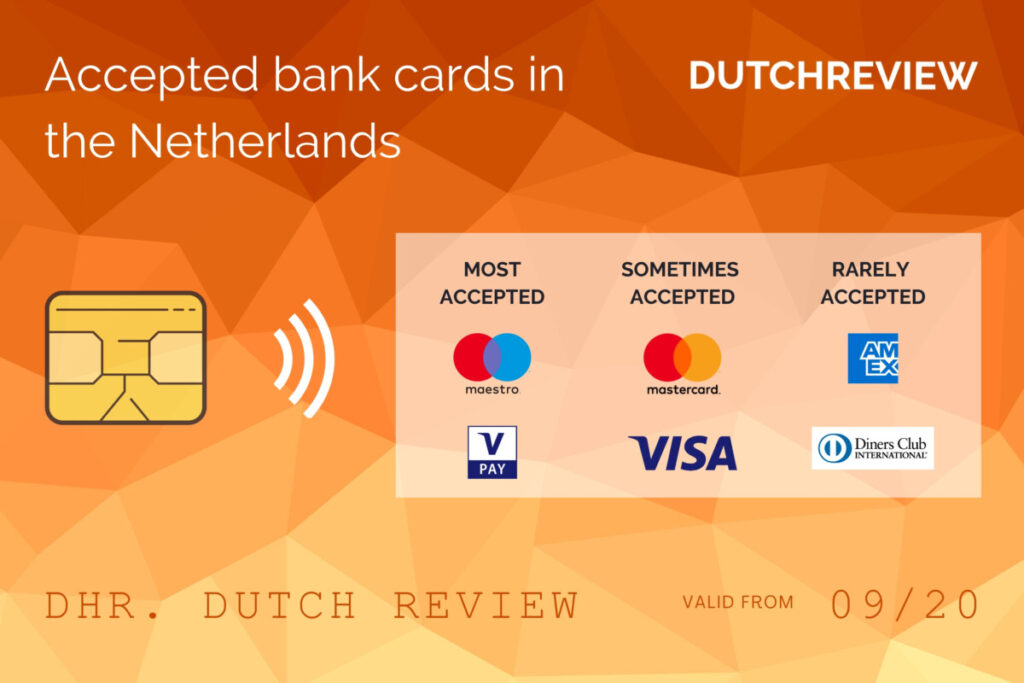
Cards used in the Netherlands are usually Maestro or VPay.
Let op! MasterCard, AMEX, and Diners Club cards are rarely accepted, no matter what your overseas bank tells you. Cash payments are also becoming increasingly rare in the Netherlands, so a handy debit card is the way to go for sure.
So what does this mean for you? Easy. To be able to pay in most Dutch shops, you’ll need to open a Dutch transaction account.
Your new shiny transaction account will come complete with a debit card that will be easily accepted across the Netherlands.
It will also make it 100 times easier to pay your bills, sign up for subscriptions, or do anything else banking-related — we promise.
How do you open a Dutch bank account? It’s surprisingly easy with our full guide below. 👇
READ MORE | How to open a Dutch bank account: ultimate guide
A Dutch bank account typically costs anywhere from €2 to €20 per month, depending on the bank and what kind of account you need. Some banks will even charge you quarterly.
READ MORE | These are the best banks for expats in the Netherlands
Credit cards can cost more; however, every bank charges completely different rates, so it’s worth shopping around and seeing which one is best suited to you.
It’s also worth noting the interest rate in case you can’t pay your credit card off in one go (we feel ya).
Note that some companies have very high interest rates. So shop around and be careful with that shiny credit card of yours.
There are many banks here in the Netherlands, but here are our top choices for internationals. 👇
Another solid choice for a traditional banking experience, ING is one of the few Dutch banks that are fully accessible to internationals, with an English app and expat-friendly website.
Even better? With current accounts starting from just €4 per month, managing your finances is also super affordable.
One of the best neobanks on the market, bunq lets you open a bank account in mere minutes — with BSN requirements waived for a generous 90 days.
Although bunq lacks physical branches, its user-friendly banking app makes managing your finances as seamless as can be.
With multi-currency accounts, competitive rates, and speedy transfers, Revolut is ideal for managing your money across borders.
You can even open a personal bank account for free, though paid plans offer greater perks like 20% off on all international transfers.
Offering hassle-free online banking, N26 is an excellent option for bank account holders who want comprehensive spending insights, built-in investment features, and zero foreign transaction fees.
Though N26 only offers German IBANs, it does come with a major pro over other banks: you never need a BSN to open and use an account.
Despite being a traditional Dutch bank, ABN AMRO offers a service tailored to internationals — complete with English-language support and a super-handy banking app.
And while plans start from €4.30 per month for a bank account and debit card, you have the freedom to choose add-ons (like a credit card!) to complement your package.
Looking for a different bank? We’ve got a comprehensive list of the other Dutch banks below. (You might also like to glance at our guide on the top banks for internationals in the Netherlands, too! 😉)
Other banks in the Netherlands:
- Anadolubank Nederland N.V.
- ASN Bank
- Bank Mendes Gans
- Bank Nederlandse Gemeenten (BNG)
- BinckBank
- Credit Europe Bank
- Demir Halk Bank
- GarantiBank International NV
- Van Lanschot Kempen
- Knab
- Nederlandse Waterschapsbank
- Netherlands Development Finance Company (FMO)
- NIBC Bank
- Rabobank
- SNS Bank
- Triodos Bank
- Yapi Kredi Bank Nederland N.V.
The question you really want to be answered is: which bank is best for expats?
Some Dutch banks, like ING, offer a lot of information in English, which is a massive bonus. There are also great online banks which are well-suited for expats, such as the popular Revolut, N26, and bunq.
When researching your bank, check whether they offer any information or apps in English.
If they don’t, and your Dutch isn’t up to scratch, you’re best sticking with an English-friendly one for now.
You won’t see people carrying multiple credit cards around in the Netherlands like you would in some other countries.
The stereotype of the Dutch is that they are frugal and careful with their money.
READ MORE | The best credit cards for expats in the Netherlands
As a result, you’ll find that people aren’t lax when it comes to spending money that they don’t have.
This also makes it harder for you to obtain a credit card — they won’t just hand them out left, right, and centre.
Only if you prove that you are reliable with your money and earn enough will you be able to obtain a credit card.
Make sure you pay up at the end of the month; you don’t want all that interest piling up!
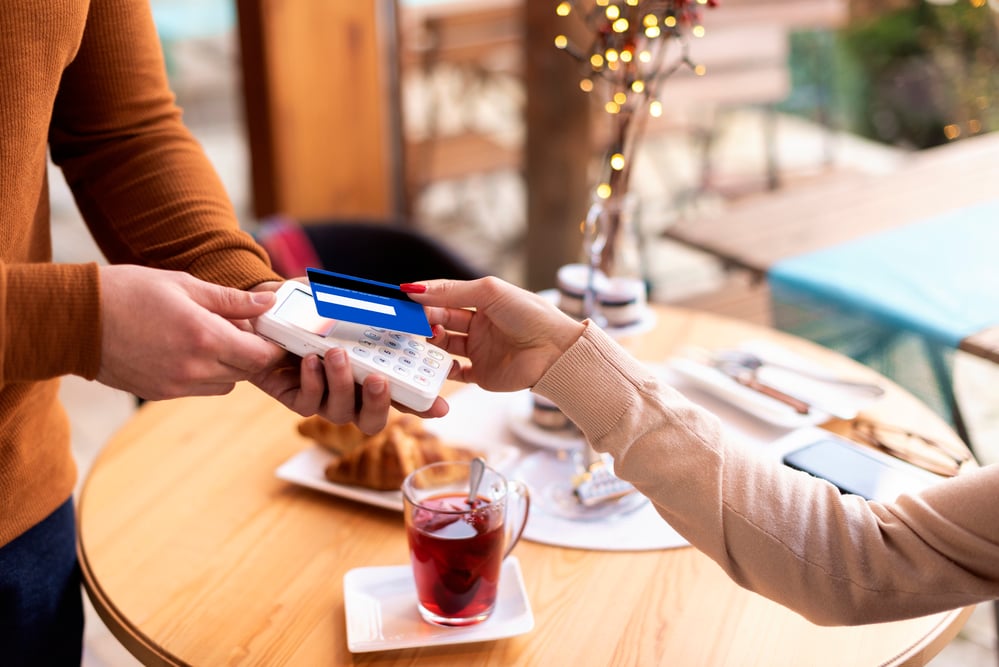
Remember, even if you have a Dutch credit card, it still likely won’t be accepted in the majority of shops or even online stores (which often prefer iDEAL).
You will be able to use it for large purchases, online shopping from other countries, or the rare webshops where you can use a credit card.
Need to pay for something online? Or perhaps you owe a mate for that lunch that they paid for?
Here’s how you can get money from your account into other people’s — or vice versa.
iDEAL is a payment platform primarily used for online payments in the Netherlands.
You can use iDEAL to check out of a webshop in the same way you would normally use a credit card.
READ MORE | From iDEAL to Wero: what the new European payment system means for your Dutch business
The system uses your phone’s banking app to scan a QR code on the webpage and authorise the payment.
Then, the correct amount of money is automatically and instantly transferred to the webshop’s bank account — and your purchase is on its way!
Good to know: The Netherlands is in the process of switching from iDEAL to a new European payment system (Wero), with an expected completion date of late 2027.
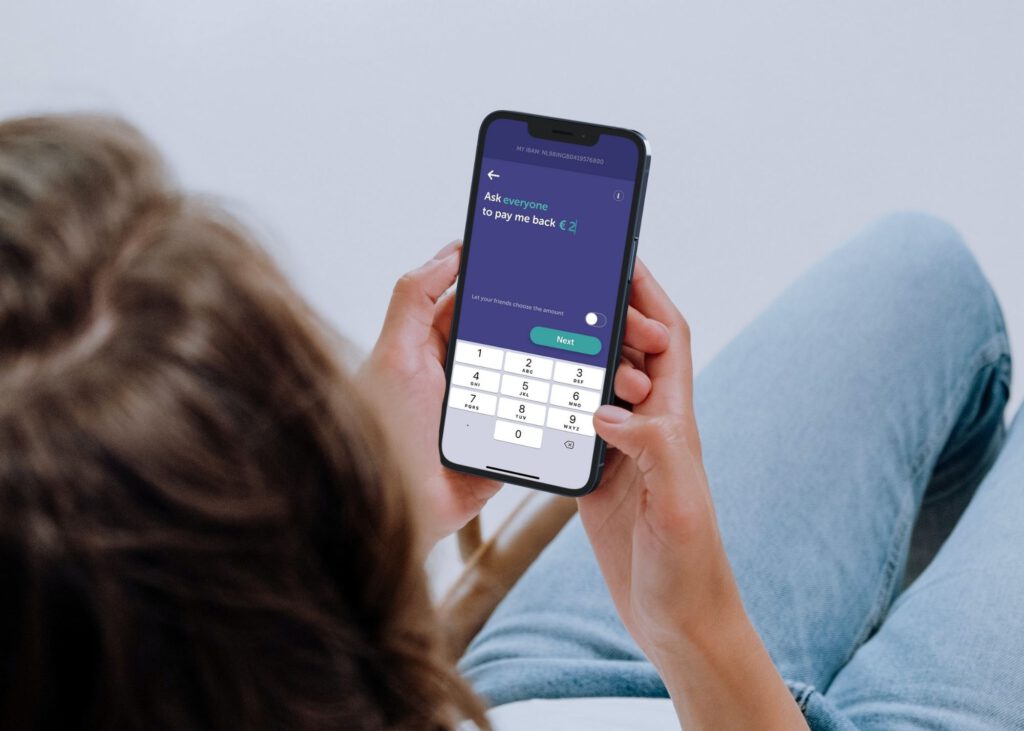
Speaking of using your phone, you can also use the Tikkie app to request funds from your friends, pay your friends for requests they’ve made, or even pay for goods at small markets!
Be warned, though — you’ll need a Dutch phone number to use Tikkie.
Payment requests can be sent through WhatsApp contacts. At markets, you may also be able to scan a QR code instead.
Again, this system utilises iDEAL, but it is specifically developed to handle payments between friends (and in some cases, business owners).
READ MORE | Tikkie etiquette: the do’s and don’ts of asking for money in the Netherlands
So if you want your money back for that frikandelbroodje you bought for your friend last week, Tikkie is also a great option.
Don’t have Tikkie? Most Dutch banks will allow you to create a “payment request” from their apps too.
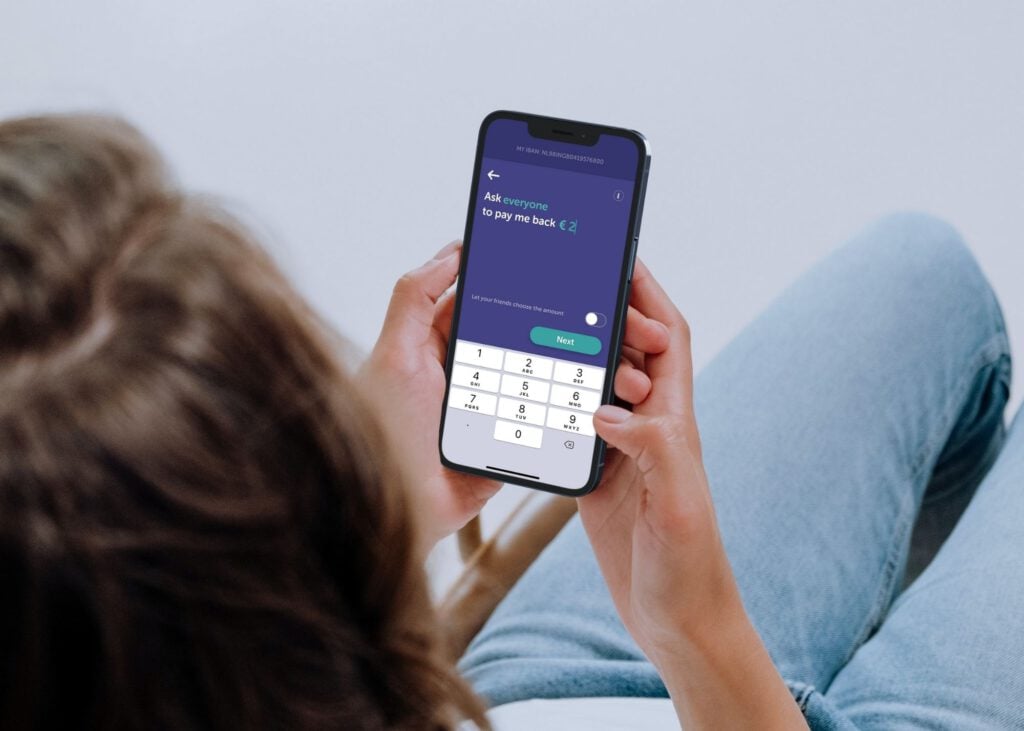
There’s also a joke that the system makes it easier for your Dutch friend to send you a payment request for that 50-cent can of cola that you owe them.
Trust me, it’s going to happen at least once when you arrive here.
Banking in the Netherlands doesn’t have to be confusing when you first arrive. Start researching, read our guides, and you’ll be well on your way to understanding the Dutch banking system.
Any other tips about banking in the Netherlands? Questions? Throw them in the comments below!