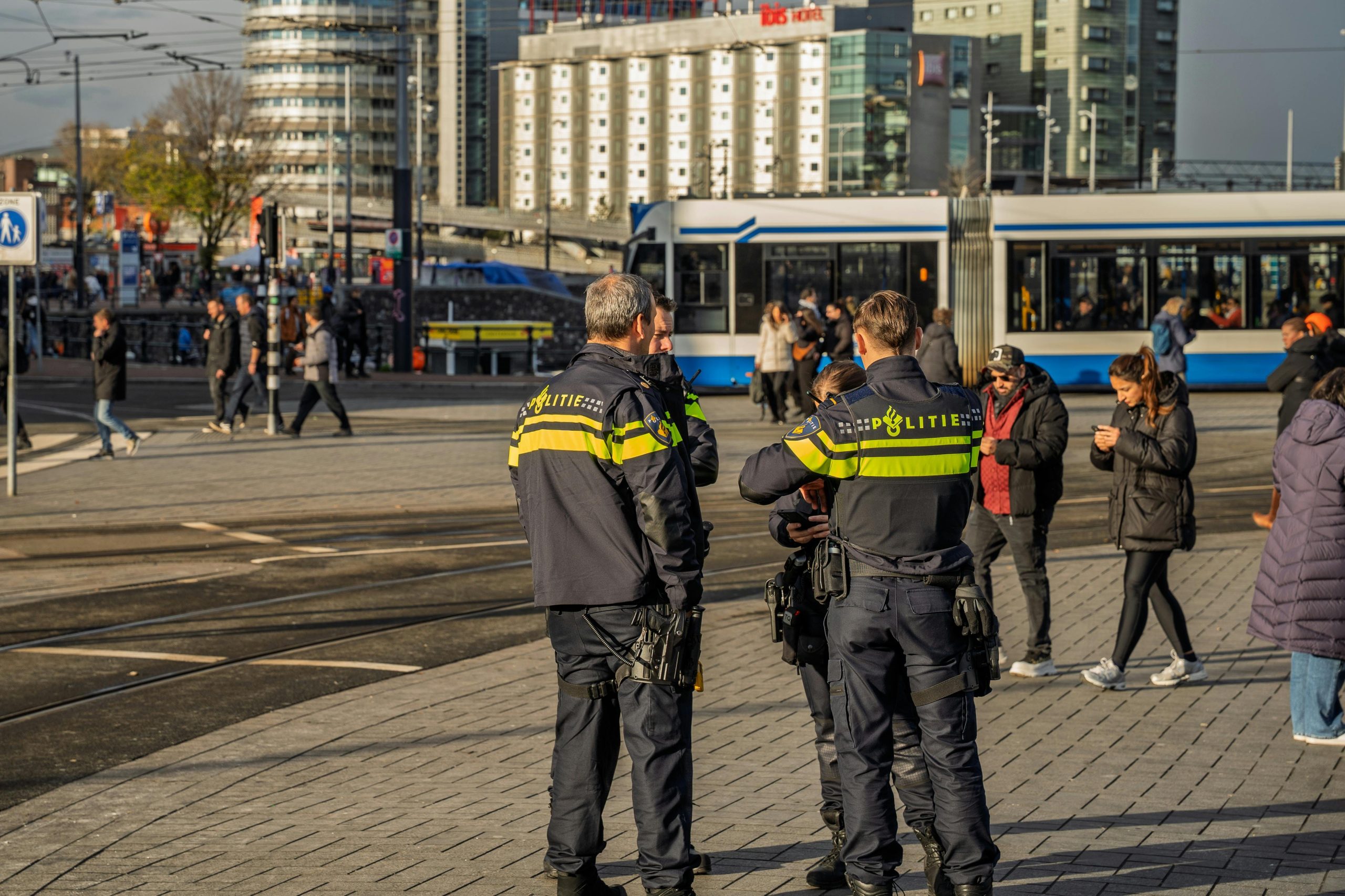
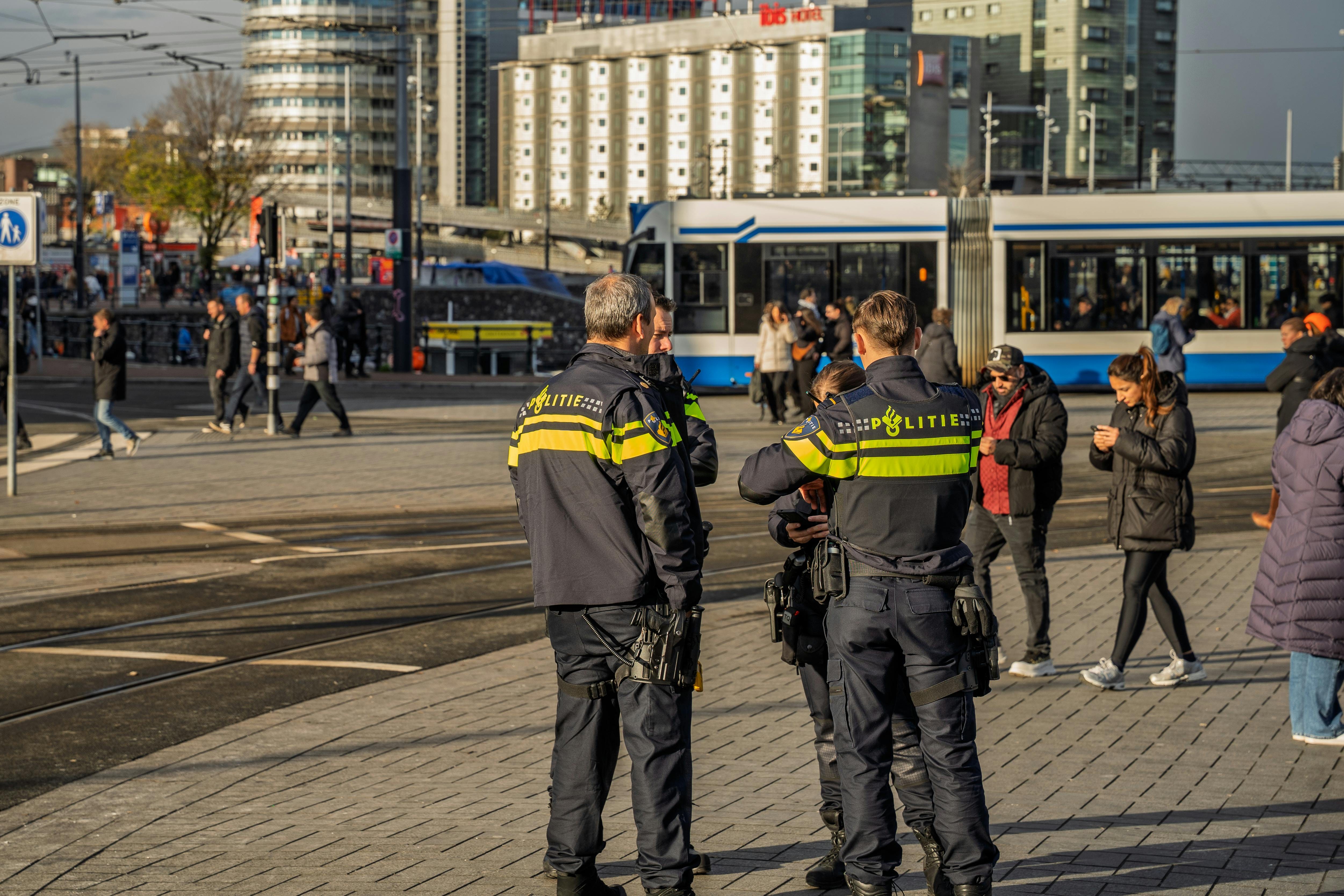
The Dutch police are investigating whether officers acted lawfully during an arrest at an asylum reception centre on the Kampweg in Zeist, after video footage circulating on social media drew widespread criticism. The clip appears to show a woman being pulled away by an officer and falling to the ground, with a chaotic confrontation following.

Signaal tracks the Dutch rental market and notifies you the moment something matches your search. Be first to apply.
According to the police, officers were called to the Kampweg around 9:50 pm on 19 May after reports of vandalism and a threat involving a knife. In the videos shared online, several officers, a police dog, a man and a woman can be seen in a corridor. One clip shows a woman being pulled away forcefully by an officer and falling to the floor. A chaotic situation follows, in which the man tries to reach the woman before being stopped by officers; punches are exchanged. A separate clip appears to show the woman being dragged by her clothes or hair.
The 30-year-old man, from Zeist, was arrested and has since been released. The police say the videos show “part of” the events, and that officers were responding to a “dynamic situation” in which they “wanted to act quickly for the safety of those present and themselves.” A police spokesperson said the force review was a standard procedure whenever officers use force, and any decision on prosecution would follow from the assessment.
A central claim circulating widely on social media is that the woman was pregnant, and that the man arrested was her partner trying to protect her. The police have not confirmed that the woman was pregnant, and have not released identities. One Surinamese newspaper has reported the arrested man as a 30-year-old Palestinian asylum seeker from Gaza involved in a deportation procedure, but that identification has not been independently confirmed by Dutch police.
This is the kind of incident where details are still emerging, and viewers of any short clip see only a fragment of a longer sequence.
The video has landed in a country already under pressure on asylum policy. Over recent weeks, several asylum reception centres have been targeted by violent protests, including an arson attempt at a temporary shelter in Loosdrecht, attacks on town halls in IJsselstein and Den Bosch, and repeated nights of unrest in Apeldoorn. The intelligence service AIVD is investigating whether the violent demonstrations are being organised, including via groups such as “Defend Netherlands.”
The Dutch police themselves have warned of a rising tide of aggression toward officers, with more than 12,896 incidents of violence against officers recorded in 2025 and increasingly serious attacks. At the same time, the police remain the front-line institution at asylum centres, where staff describe a daily mix of mental health crises, language barriers, fear of deportation and tense neighbour relations.
Politically, the country is split. The new coalition has agreed with municipalities on new measures to enforce the spreidingswet (the law obliging municipalities to take in their share of asylum seekers) while acting firmly against violent protests. Civil-society groups, including a 122-organisation coalition that marched through Utrecht last month, have meanwhile urged a stronger public stance in support of refugees. Reactions to the Zeist video have largely followed those lines, with some commentators using it to denounce excessive police force and others to argue that asylum centres are becoming ungovernable.
The internal force assessment will determine whether the officers’ actions complied with the rules on the use of force, and whether the Public Prosecution Service is asked to consider charges. The police have said they will “look carefully at all the facts and circumstances.” For now, the videos in circulation are unlikely to be the last word: more footage, more witness accounts and the formal review are still to come.