Wild boars, roe deer, and red deer on the Veluwe have all adapted their behavior in recent years to the presence of the wolves, Faunabeheereenheid Gelderland concluded after monitoring. The organization is responsible for counting wild animals and for any population management, such as through culling.
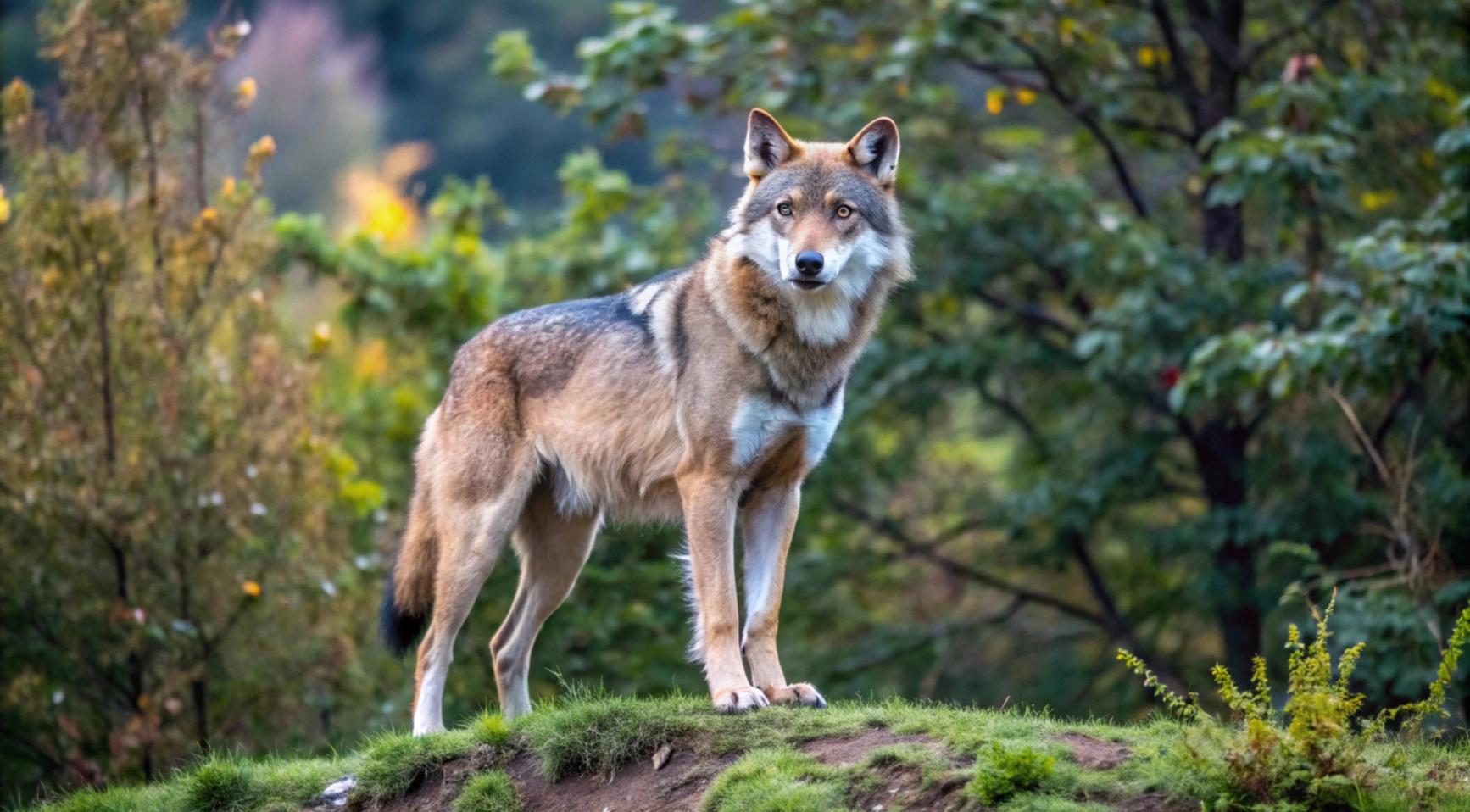
The presence of nearly a hundred wolves on the Veluwe, divided among several packs, influences how prey animals move through the area and how alert they are. Before the wolf’s arrival, rangers could often predict when and where the roe deer would gaze in the forest. The animals are now reported to have a large area where they feed. They were also found to be more frequently active in the evenings and nights.
Red deer have also become more cautious, Floris Leyssius, chairman of Vereniging Het Edelhert, told NOS. According to him, the calves are also nursed less frequently.
Wild boars have started moving across the Veluwe in larger groups, which are called sounders. Cases of larger boars sometimes attacking a wolf that tries to steal one of their babies have been reported. The study also found that sometimes the animals seek protection from larger grazers, such as Scottish Highland cattle.
“Now that the wild boars move in larger sounders, you can sometimes shoot only one boar in an evening,” Erik Koffeman from the Faunabeheereenheid Gelderland told NOS. “After the shot they are all gone.”